
Psychiatry
Psychiatry in Indian Harbour Beach.
Psychiatric care at Atlantis includes evaluation of mood, sleep, focus, stress and daily functioning. Your clinician considers your health history and goals before discussing appropriate next steps.
Personalized care · Collaborative decisions · Telemedicine availability
A conceptual educational diagram showing connections among mood, sleep, focus, stress response, energy, daily functioning and physical wellbeing. Choose a topic to read a short, non-diagnostic description.
Changes in mood can influence motivation, relationships, sleep and daily functioning.
A more connected perspective
What does psychiatric care involve?
Mental and physical health continuously influence one another. Our whole-person psychiatric care creates space to understand symptoms in context, explore relevant contributing factors and develop a thoughtful plan around the individual. Sleep, physical health, lifestyle, stress, relationships and personal history can all be part of that conversation.
- 01
Listen without judgment
A useful clinical conversation begins with space to describe what you have noticed, what feels difficult and what matters to you.
- 02
Understand the complete picture
Mood, sleep, focus, stress, physical health, relationships, routines and personal history can all add important context.
- 03
Make decisions collaboratively
Questions, preferences and goals belong in the conversation. Recommendations are discussed with you and shaped around the individual assessment.
The Mind–Body Signal Network
Wellbeing is a connected experience.
This conceptual map offers an educational view of how different parts of life can relate. It is not a brain model or diagnostic tool. Select a signal to explore one connection at a time.
Use mouse, keyboard or tap to exploreA conceptual educational diagram showing connections among mood, sleep, focus, stress response, energy, daily functioning and physical wellbeing. Choose a topic to read a short, non-diagnostic description.
Changes in mood can influence motivation, relationships, sleep and daily functioning.
Areas of psychiatric care
Concerns we commonly evaluate
Symptoms can overlap and may have more than one explanation. We evaluate the pattern, history and effect on daily life before discussing what care may support. A list on a website cannot determine a diagnosis, and treatment recommendations vary by patient.
- 01
Depression
Depression can affect mood, interest, energy, sleep, concentration and the ability to manage daily life. A psychiatric evaluation creates space to understand the pattern and context of these changes, including relevant medical, personal and treatment history. Recommendations vary and are based on an individual assessment.
- 02
Anxiety
Anxiety may show up as persistent worry, physical tension, restlessness, difficulty sleeping or feeling unable to settle. We evaluate how these experiences affect daily functioning and consider mental and physical health factors together. Care may support greater understanding and a thoughtful discussion of appropriate next steps.
- 03
ADHD
Attention-deficit/hyperactivity disorder can involve challenges with attention, organization, impulse control or completing everyday responsibilities. An ADHD evaluation considers current concerns alongside developmental, medical and mental-health history. No single symptom establishes a diagnosis, and recommendations depend on the complete clinical picture.
- 04
OCD
Obsessive-compulsive disorder may involve intrusive thoughts, urges or repetitive behaviors that take time and interfere with daily life. Evaluation focuses on understanding the person’s experience without judgment, including the nature, frequency and impact of concerns. Treatment recommendations are individualized after a careful assessment.
- 05
PTSD and trauma-related concerns
Trauma-related concerns can affect mood, sleep, relationships, concentration and the body’s stress response. A thoughtful evaluation moves at a respectful pace and considers the person’s priorities, history and current sense of safety. Care options vary according to clinical needs and individual circumstances.
- 06
Bipolar disorder
Bipolar disorder involves distinct changes in mood, energy and activity that require careful clinical evaluation. We consider symptom patterns, timing, sleep, functioning, family history, medical factors and previous treatment response. An assessment helps distinguish among possible explanations and guide an appropriate, personalized discussion.
- 07
Sleep concerns
Difficulty falling asleep, staying asleep or maintaining a consistent rhythm can influence mood, focus and energy. Because sleep and mental wellbeing often affect one another, psychiatric care may explore both the sleep concern and its wider context. Next steps depend on the individual evaluation.
- 08
Stress and burnout
Ongoing stress and burnout can affect emotional wellbeing, physical health, relationships and daily performance. An evaluation can help clarify what is happening, explore contributing factors and identify priorities for care. The goal is understanding—not reducing a complex experience to a single label.
Care begins with an individual assessment. The concerns above are examples of areas Atlantis evaluates and do not imply that a particular diagnosis, test or treatment will be appropriate.
Personalized psychiatric evaluation
What happens at a psychiatric evaluation?
A psychiatric evaluation is a structured conversation, but it should still feel human. Depending on your concerns and the clinician’s judgment, the appointment may explore the areas listed here. The aim is to understand what you are experiencing, how it affects your life and which next steps may be appropriate—not to rush toward a conclusion.
Read our first psychiatry appointment guide →- 01Current concerns and symptoms
- 02Mental-health history
- 03Medical and family history
- 04Sleep, energy and daily routines
- 05Previous care and treatment response
- 06Current goals and priorities
- 07Physical-health factors when relevant
- 08A discussion of appropriate next steps
The care journey
A clear path, shaped around the individual.
- 01
Listen
Understand your experience, history and goals with time for a thoughtful, judgment-free conversation.
- 02
Evaluate
Explore symptoms, patterns and relevant mental and physical health factors in context.
- 03
Collaborate
Discuss appropriate options, answer questions and shape a personalized plan together.
- 04
Continue
Review progress and adjust care when clinically appropriate for your needs and priorities.

Meet your physician
Gezel Saheli, MD
Founder · Psychiatry · Integrative Medicine
Dr. Saheli brings psychiatry and integrative medicine together in care designed around the whole person. Her approach is grounded in thoughtful communication, strong patient–physician relationships and an understanding of how mental and physical health influence one another.
Dr. Saheli earned her medical degree at Tehran University of Medical Sciences and completed postgraduate training in internal medicine and psychiatry, including at Rutgers New Jersey Medical School.
Meet Dr. SaheliConnected across distance
Telepsychiatry, when appropriate for your care.
Telemedicine can make psychiatric care easier to fit into everyday life for eligible patients. Online psychiatry appointments are currently available to patients located in the supported states below when clinical circumstances allow. Availability may vary by patient and service.
- Florida
- New Jersey
- New York
- Pennsylvania
- Maryland
- Arizona
- Virginia
Atlantis also welcomes patients for in-person care at 2194 Jimmy Buffett Memorial Highway, Suite 203, in Indian Harbour Beach, Florida. If you are looking for a psychiatrist near Satellite Beach or Melbourne, our Indian Harbour Beach office offers a nearby option for an individual evaluation. Contact our team to discuss your needs and appointment availability.

Indian Harbour Beach, FloridaCare close to the coast
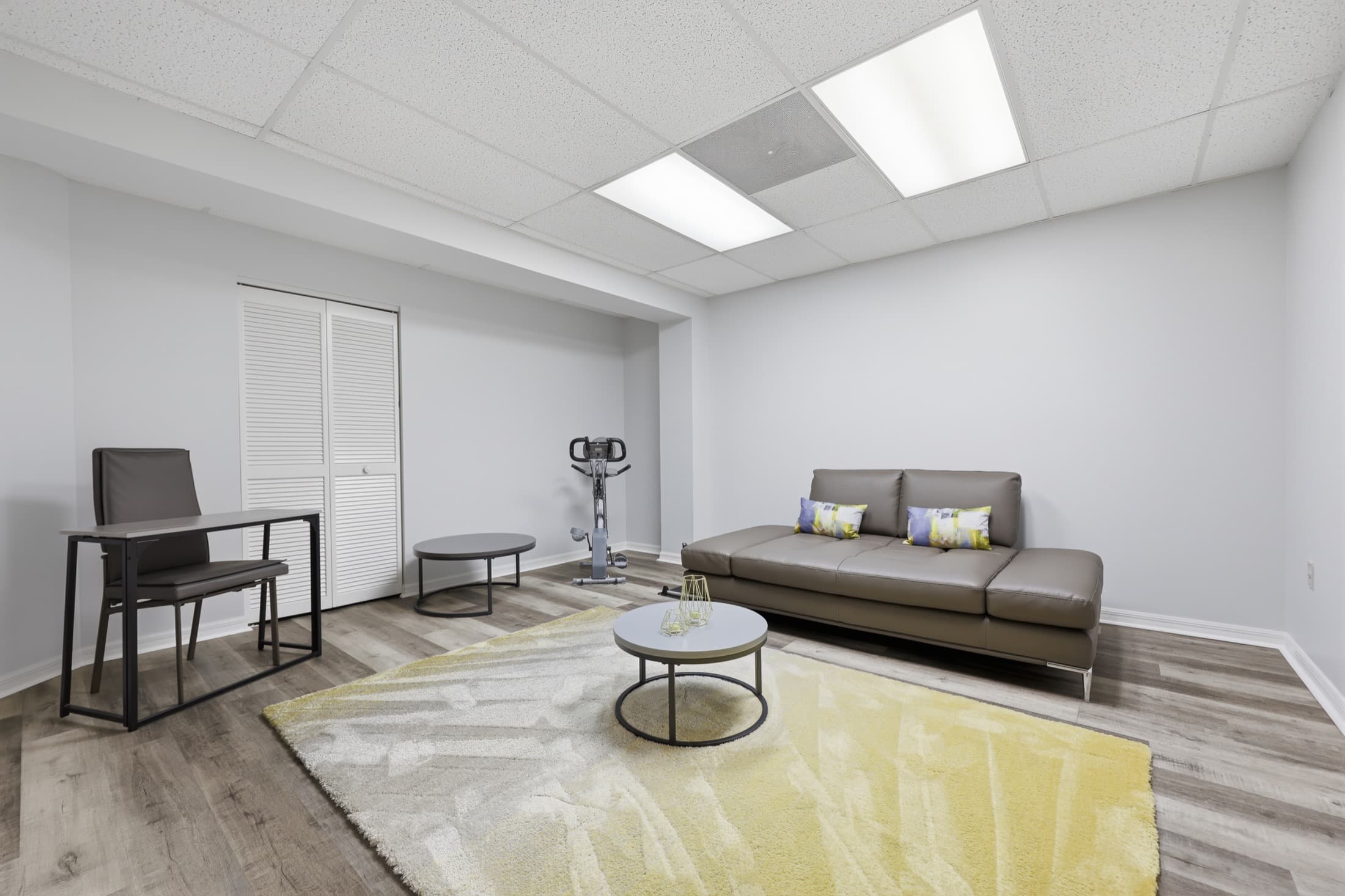
Atlantis Wellness CentersA calm setting for conversation
Important safety information
This website is not an emergency service.
Atlantis Wellness Centers does not provide emergency services through this website or appointment request form. If you or someone else may be in immediate danger, use the emergency resources below.
Information on this page is for general educational purposes and is not a diagnosis or a substitute for an individual medical evaluation.
Psychiatry FAQ
Questions about psychiatry at Atlantis.
Practical information about psychiatric evaluations, telepsychiatry, insurance and preparing for a first appointment. You can also review our insurance and coverage information or learn how integrative medicineconnects mental and physical health.
Further reading: NIMH: Talking With a Health Care Provider About Your Mental Health. General education; your clinician determines what applies to your care.
Your first appointment is an opportunity to discuss current concerns, mental-health and medical history, sleep, routines, previous care and personal goals. The exact conversation depends on your needs. Your clinician will help clarify the clinical picture and discuss appropriate next steps.
Begin with a conversation
You don’t have to have everything figured out.
A thoughtful conversation can help clarify what you are experiencing and what the next step could look like.